Speakers
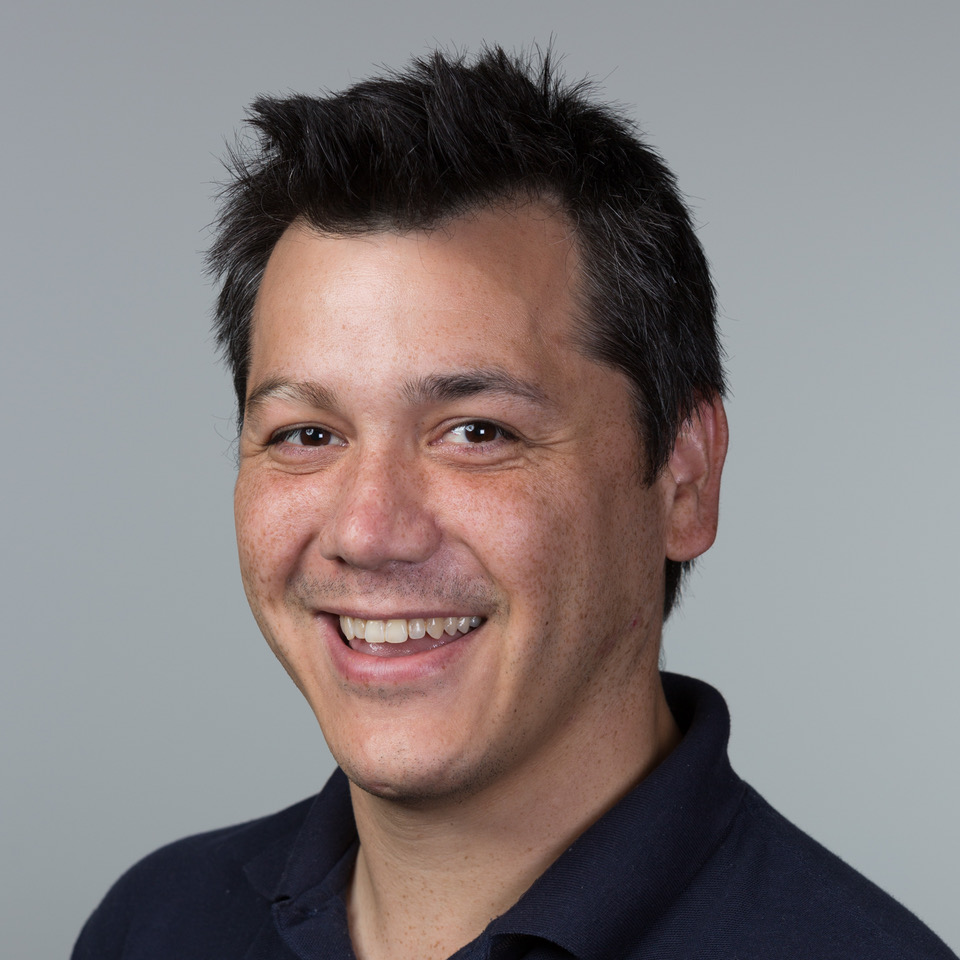
Rich Bayliss Arista Networks
The Risks and Opportunities of Future Network Architectures
All AusNOG talks (4)
- AusNOG 2023 gRIBI (Arista Networks) Slides
- AusNOG 2021 Build your own Automation Adventure (Arista) Slides
- AusNOG 2019 The Risks and Opportunities of Future Network Architectures (Arista)This year Slides
- AusNOG 2017 Scaling Beyond 100G with 400G and 800G Ethernet (Arista Networks) Slides
Biography
Rich is the Director for Systems Engineering at Arista Networks in Asia-Pacific, where he leads efforts to migrate complex networks to simplified, software-driven and agile cloud networks. With businesses keen to capture the inherent advantages of cloud, Rich places particular emphasis on the necessary changes to achieve agile operations and web-scale architectures.
Rich is internationally recognised for his contribution to the development of new networking standards and architectures. Prior to Arista, Rich held senior positions with Juniper Networks, including CTO for APAC SP and worldwide Chief Architect for Edge Routing, as well as operational and engineering roles at Australian and global service providers.
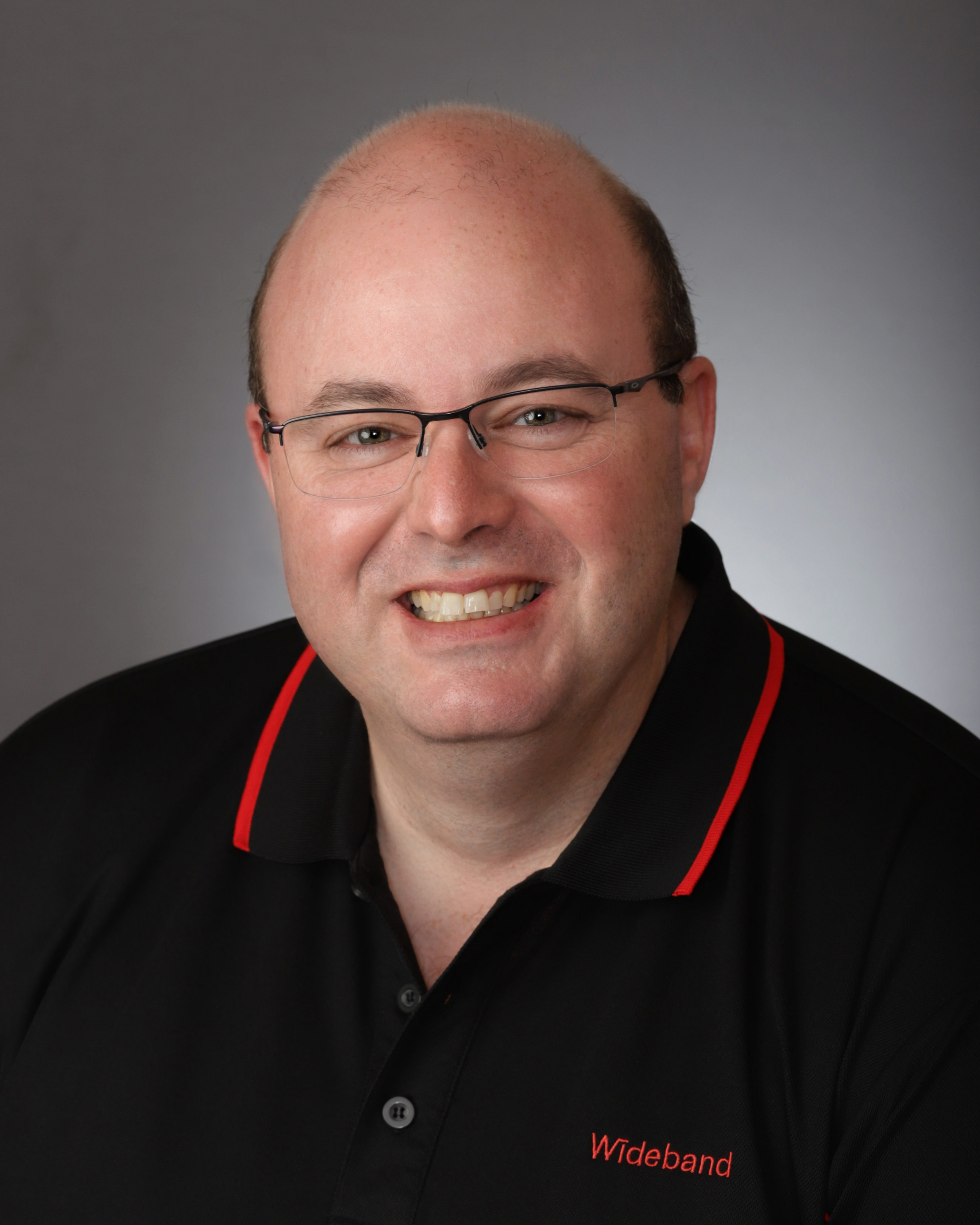
Phil Britt Aussie Broadband
CGNAT, IPv6 and the establishment of international POPs, and an update on JEFF
All AusNOG talks (5)
- AusNOG 2026 Rural Fibre Co SlidesVideo
- AusNOG 2021 Key Note - From regional ISP to national telco (Aussie Broadband) Slides
- AusNOG 2019 CGNAT, IPv6 and the establishment of international POPs, and an update on JEFF (Aussie BroadBand)This year Slides
- AusNOG 2018 The challenges of growing quickly (Aussie Broadband) Slides
- AusNOG 2017 The challenges of building to 121 NBN POIs (Aussie Broadband) Slides
Biography
Phillip Britt is a transformational business leader who is taking Aussie Broadband from a small regionally-focussed internet service provider towards an Australia-wide tier 2 business.
Phil has been Managing Director of Aussie Broadband since July 2008. He has worked in the ISP industry at management level since 1996 and has extensive experience in both the technical and management challenges of the telecommunications industry. He is a graduate of the JMW Leader of the Future program and is well-known for his technical expertise in forums such as Whirlpool.
Phil co-founded Aussie Broadband in 2003 in response to what he saw as a growing need to extend broadband access into regional and rural areas of Australia. Aussie has grown an excellent reputation with both customers and the tech-savvy for its extraordinary levels of stable internet service and sensible technical advice. This is based on Phil’s passion for putting the customer at the centre of the business.
In late 2016, Phil announced Aussie Broadband’s intention to take its service offering to a national level, with a deal that gives the company direct access into every NBN POI across Australia. He sees opportunity for the company to offer its unique internet service and products to all Australians.
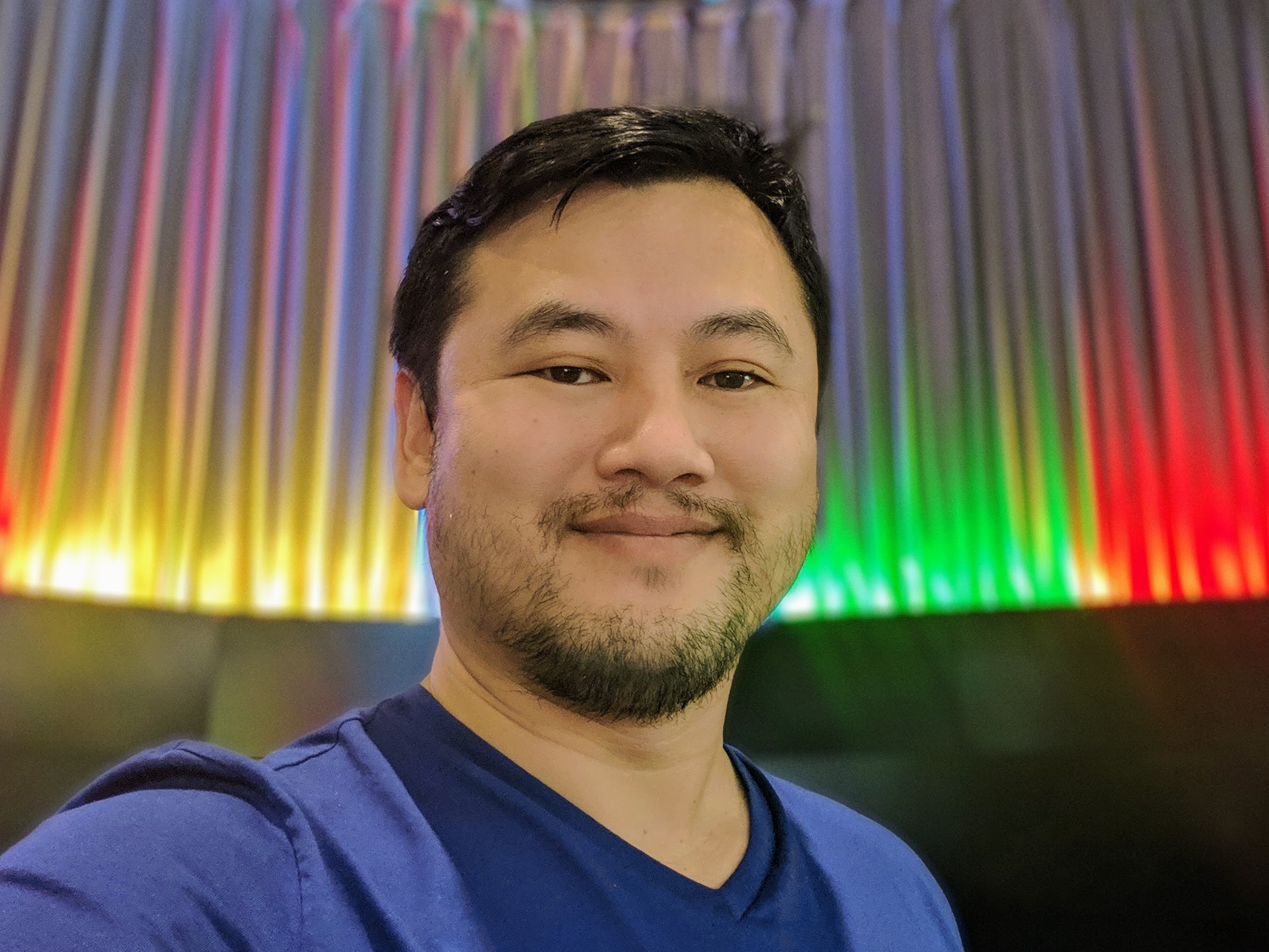
Geoff Huston APNIC
TCP and BBR
All AusNOG talks (13)
- AusNOG 2026 Revocation (APNIC) SlidesVideo
- AusNOG 2025 Evolution of Transport Protocols (APNIC) SlidesVideo
- AusNOG 2024 Measuring Starlink (APNIC) SlidesVideo
- AusNOG 2023 Quick Look at QUIC (APNIC) SlidesVideo
- AusNOG 2021 Measuring RPKI Use in BGP (APNIC) Slides
- AusNOG 2019 TCP and BBR (APNIC)This year Slides
- AusNOG 2017 Some Thoughts on IoT (APNIC) Slides
- AusNOG 2015 Testing Rolling Roots (APNIC) Slides
- AusNOG-03 (2009) BGP in 2008 - is the BGP sky really falling? (APNIC) Slides
- AusNOG-03 (2009) Just what are we doing about this IPv6 transition? (APNIC) Slides
- AusNOG-02 (2008) IPv6 Failure is an Option (APNIC)
- AusNOG-01 (2007) Technology, Engineering, Religion and IPv? (APNIC) Slides
- AusNOG-01 (2007) The 4 byte ASN experience (APNIC) Slides
Biography
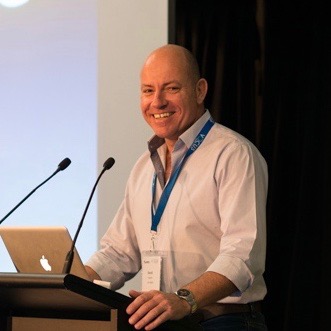
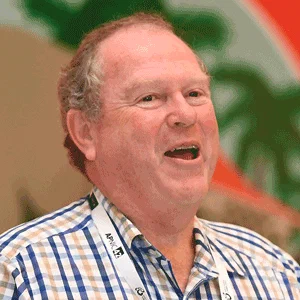
Geoff Huston is the Chief Scientist at APNIC, the Regional Internet Registry for the Asia Pacific. He has been involved in the development of the Internet in Austrsalia since its inception in the late 1980’s.

Aleksandr Karavanin Cisco
MPLS/SR deployment experiences in Australia and SRv6 deployment learnings from Japan
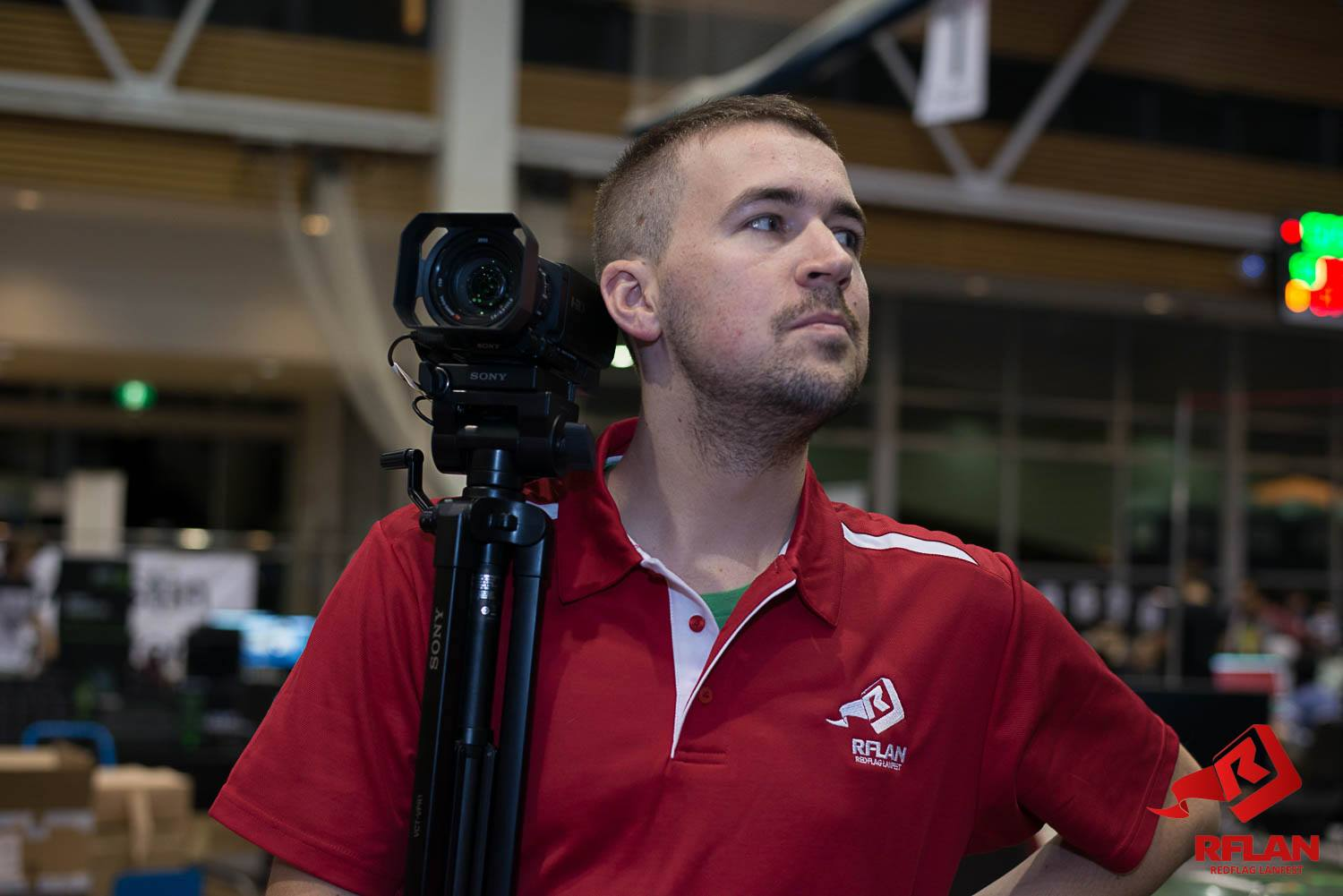

Tim Raphael RFLAN
Fibre to the LAN Party - Building a high performance network for 24 hours
All AusNOG talks (6)
- AusNOG 2026 From Human‑Centric to AI‑Assisted Operations (Nokia) SlidesVideo
- AusNOG 2024 Going NUTS over Network Testing (Nokia) SlidesVideo
- AusNOG 2023 Prometheus for Network Engineers (Tim Raphael Consulting) SlidesVideo
- AusNOG 2021 Being a better Netizen: MANRS @ DigitalOcean (DigitalOcean) Slides
- AusNOG 2019 Fibre to the LAN Party - Building a high performance network for 24 hours (RFLAN)This year Slides
- AusNOG 2017 Modern network monitoring for the rest of us Slides
Biography
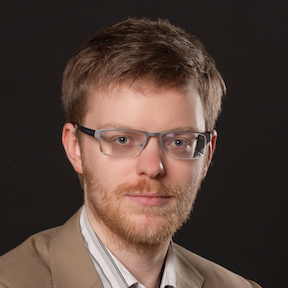
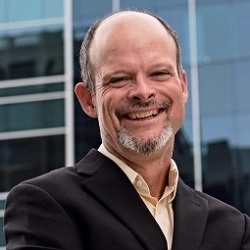
Nokia IP Automation rPLM Tim has more than a decade’s experience in designing, building and operating service provider networks. He’s worked for MSPs, RSPs and multi-national cloud providers, helping them scale and automate their networks. He now works at Nokia as the Regional Product Line Manager (rPLM) for IP Automation in APAC. His remit includes all automation product lines for data centre and wide area networks, including automation process, practise and tooling.
Vijay Sivaraman UNSW
Network telemetry for measuring and enhancing online gaming experience
All AusNOG talks (3)
- AusNOG 2021 Network Speed-Testing: Does it Relate to User Experience? (Canopus Networks & UNSW) Slides
- AusNOG 2019 Network telemetry for measuring and enhancing online gaming experience (UNSW)This year Slides
- AusNOG 2018 Scalable and Flexible Network Functions using SDN White-Boxes (UNSW) Slides
Biography
Vijay received his Ph.D. from the University of California at Los Angeles in 2000, and then worked for three years in a silicon valley start-up writing forwarding code and L2/L3 protocols for a high-speed switch-router. He is now a Professor at UNSW Sydney, and is passionate about bridging the gap between academic research and commercial practise, and the skills needed to support the translation. He is a strong advocate of Software Defined Networking (SDN) technology and its potential to spur innovation in networking without being beholden to incumbent vendors.
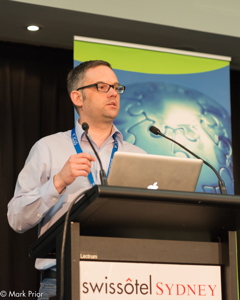
Mark Smith
Getting IPv6 Private Addressing Right
All AusNOG talks (7)
- AusNOG 2019 Getting IPv6 Private Addressing RightThis year Slides
- AusNOG 2018 The Robots are Coming! Slides
- AusNOG 2016 The Trouble with NAT Slides
- AusNOG 2015 Why you should read RFCs and Internet Drafts (and what you need to know to do so) Slides
- AusNOG 2014 Network Virtualisation: The Killer App for IPv6?
- AusNOG 2013 The Rapid Rise of the Mobile Multihomed Host, and What It Might Mean to the Network Slides
- AusNOG-05 (2011) Residential IPv6 CPE - What Not To Do and Other Observations Slides
Biography
Mark began working in the ICT industry in the early 1990s, initially working with desktop PCs and servers. He made networking his professional focus in 1998.
Mark has held a number of roles, performing support, administration, deployment, design and presenting training. He has worked for state government departments, national and multinational system integrators and state, national and international residential and corporate ISPs and telcos.
Mark has also presented at the AusNOG conference 5 times, has written blog articles for APNIC by invitation, and has contributed to the IETF since 2002, primarily in the IPv6 6man and v6ops working groups. He is an acknowledged reviewer and contributor to 31 IETF RFCs, and the author of 9 IPv6 related Internet Drafts.
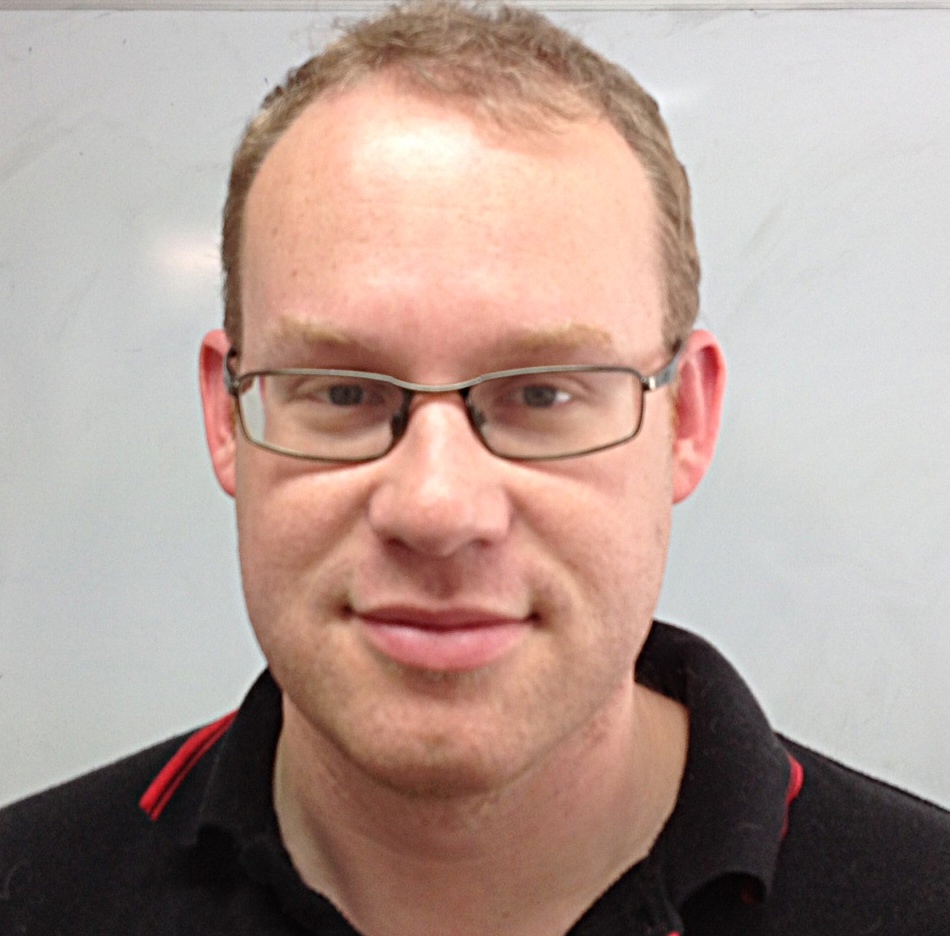
Ken Wilson Opengear
Model-driven configuration and telemetry using open standards
All AusNOG talks (3)
- AusNOG 2019 Model-driven configuration and telemetry using open standards (Opengear)This year Slides
- AusNOG 2017 Choosing an orchestration tool: Ansible and Salt (Opengear) Slides
- AusNOG 2016 Central orchestration of network infrastructure - devops meets netops (Opengear) Slides
Biography
Ken Wilson is the Product Owner for the Software and Hardware products at Opengear and is responsible for everything from bootloaders and kernels to fluffy management software. During his time at Opengear, he has supervised the design, development and rollout of new generations of hardware appliances for data centre and remote site device management, as well as managing the development of several custom products for OEMs.
Prior to Opengear, Ken worked for SnapGear building firmware for UTM Firewall/Routers and for CiSRA (Canon Information Research Australia), working on print rendering technology.
Ken has a degree in Software Engineering from UQ.